

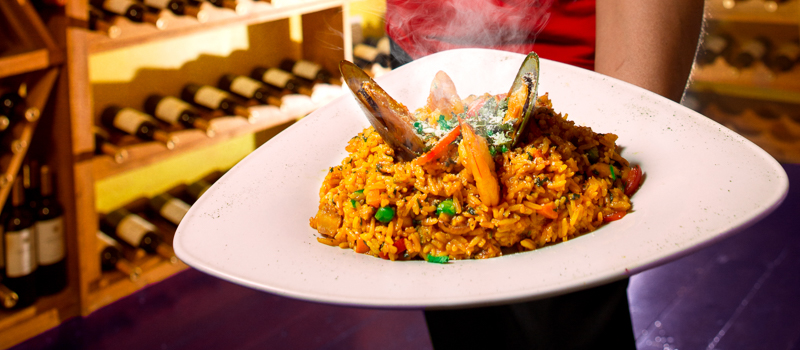
When Fernando Palomino opened his restaurant, Inkanto, on the South Trail almost four years ago, there seemed to be a rising interest in Peruvian food. Establishments like Javier’s Restaurant and Wine Bar on Siesta Key had maintained a loyal customer base for years and newer establishments like Darwin’s on Fourth had become the talk of the town. “I could see Peruvian cuisine was getting more popular than ever,” he says. These days, Inkanto is one of the major Peruvian restaurants still standing in the Sarasota area. That’s not horrible news for Palomino, of course. Many of the tourists who return to Siesta Key each year looking for Javier’s end up now at Inkanto, as do former patrons of Darwin’s or Ceviche. “People are finding us,” he says. His business has grown as the market of Peruvian restaurants in the area has tightened. But he still wouldn’t mind some company. “For me, it was always nice to have some competition. I am proud of our Peruvian cuisine, but I want people to have options.”
As tourism increases from South America in coming years, it may be vital to the culinary scene in the region to have a solid stable of options. An economic forecast released by Visit Florida predicts a 7-percent increase in visitors to the state originating from South America. Additionally, business visits from people in Central America are expected to increase to Southwest Florida in particular thanks to improved trade connections with Port Manatee. Mix in those facts with a society increasingly interested in celebrity chefs, cooking shows and foodie culture in general and the restaurant scene for any tourist destination seems all the more valuable.
All that said, both tourist executives and those within the food scene believe the future looks bright for Peruvian cuisine here, even those proprietors who have recently closed shop. The importance of a solid restaurant inventory has only become more popular with time, and Sarasota officials for more than a decade now have used the culinary offerings of the region to bring people to town. Virginia Haley, president of Visit Sarasota County, says this market was the second in the state after Miami to host a Restaurant Week, when food journalists are hosted and participating restaurateurs are promoted to the world. “Culinary is front and center,” Haley says.
For what it’s worth, Haley has never been as excited about the growing South American visitor numbers in Florida as some of her counterparts around the state. Almost all of the growth has been in Miami (which happens to have 250 Peruvian restaurants alone), and with Brazil going through an economic downturn, she doesn’t expect any overflow in Southern Hemisphere traffic racing here all that quickly.
But she does feel a strong offering of ethnic restaurants helps attract more visitors to the region, and keeps them happy while they are here so they will consider visiting again some time. Peruvian has always been a particularly accessible type of cuisine for the new foodie. “The obvious Japanese influences are there, and you now see Peruvian-American food,” she says. “It’s really a gateway to other Central American and South American cuisine.”
So why has its presence in Sarasota been shrinking instead of growing? Palomino says every restaurant has its own story. Javier’s, the first major Peruvian restaurant in the area, stayed open more than 20 years until founder Javier Arana retired. Other options have been changed by reasons from ownership decisions to different concepts to following fads. And sometimes, poor location alone can do a place in.
Darwin Santa Maria, founder of the now-defunct Darwin’s on Fourth, closed last year, but he still believes in the Sarasota market. “Sarasota was a great beginning, but it’s not the end.” When the restaurant closed last year, there were conflicting reports from ownership about what led to a decline in business. Today, Santa Maria says he learned only from running the business just how seasonal the restaurant business can be in Southwest Florida. And in order to do Peruvian the way he wants, using ingredients indigenous to his home country, it proved an expensive endeavor. His pantry included some items that are hard to find fresh in Sarasota, such as bijao plantains, Amazonian peppers and cacoa.
Santa Maria wants to run a restaurant in Sarasota again some day; he went to high school here and his wife and kids still live here full-time. Before that happens, though, he says he needs to develop a sustainable connection between restaurateurs and Amazonian farms. He plans to split his time this year between living in Sarasota and running a small café in Peru.
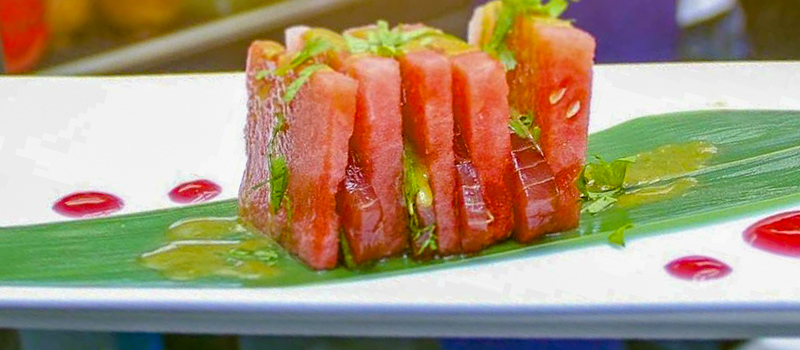
“My goal is get different flavors, and I feel within the next three to five years it can become something bigger,” he says. Ultimately, he wants to open a nano-brewery operating from South America, something akin to Darwin Brewing Company, the Bradenton-based micro-brewery that still bears his name though he is no longer involved with the company, but which is done with fresh-from-the-village ingredients. Palomino, friends with Santa Maria, says his restaurant tries to keep things much more simple, and he feels you can still keep a business running at the right scale in this market. Inkanto remains a family restaurant with just three or five employees even in peak times, he says. “It’s much more about good service,” he says. And like Haley, he feels the range of world influences on Peruvian cuisine will continue to bolster its popularity. “All the influences on Peruvian, including Japanese, Italian, Spanish, and then we mix it all together,” he says. Demand remains high for dishes like ceviche, the national dish of Peru, and that means restaurants should succeed with such offerings on the menu.
And of course, it’s not like only South American visitors enjoy ceviche. In fact, Haley says most visitors initially come to the region looking for a taste of Florida. “They are really looking for a Siesta Key Oyster Bar, and then we are surprising them with a Cottage House,” she says.
Darwin Santa Maria says a growing number of visitors with Latin American roots would visit Darwin’s on Fourth through the last three years of operation. Much of that came from publicity through internationally read media generated from Tampa and Miami outlets aimed at a Latin audience. And then there is word of mouth from there.
Inkanto relies heavily on tourists coming to the area, but most of those visitors coming into his restaurant are actually Americans, visitors from New York or Chicago who have an affinity for exploring ethnic flavors. “For them, it’s something different from Mexican food or anything else,” he says. And Haley says no restaurant can rest its hopes on a few establishments. “It hurts when it’s a favorite of yours that closes, but that’s the nature of the restaurant industry,” she says.